


A professional labour market analysis for HR and people management practice
| February 2026 brought a clear improvement to the Slovak labour market. The share of available jobseekers of working age fell to 4.16%, representing a month-on-month decline of 0.26 percentage points. At the same time, the number of vacancies rose to 122,434, setting a new all-time high. |
From an HR perspective, this is an important signal. After the seasonal deterioration in January, the labour market regained momentum in February and employer demand for workers remained very strong. The development suggests that companies entered the spring period with active hiring needs and pressure to fill positions did not ease.
For HR managers, recruiters and the agency segment, this means the competition for candidates continues. With a record number of vacancies, success no longer depends only on pay levels, but also on the speed of the hiring process, the quality of candidate communication, regional reach, and the ability to work effectively with different candidate groups.
Key indicators for February 2026
| Indicator | February 2026 | January 2026 | February 2025 | Change m/m | Change y/y |
| PDU | 4.16 % | 4.42 % | 3.79 % | -0.26 p.p. | +0.37 p.p. |
| PU | 4.84 % | 4.90 % | 4.54 % | -0.06 p.p. | +0.30 p.p. |
| Available jobseekers of working age | 149,998 | 159,521 | 137,453 | -9,523 | +12,545 |
| Vacancies | 122,434 | 119,997 | n.a. | +2,437 | n.a. |
| Placed jobseekers in the labour market | 11,772 | 12,444 | n.a. | -672 | n.a. |
Note: PDU = share of available jobseekers of working age; PU = share of jobseekers of working age.
Developments in a broader context
January 2026 brought the traditional seasonal deterioration, with PDU rising to 4.42% from 4.09% in December. February, however, corrected this trend quite significantly. The number of available jobseekers of working age fell from 159,521 to 149,998, a decrease of 9,523 people in a single month.
Such a shift suggests that companies reactivated hiring after the New Year period and started filling open roles more intensively again. From a labour market perspective, it is also important that this was not only a decline in unemployment, but also a continued increase in demand for labour.
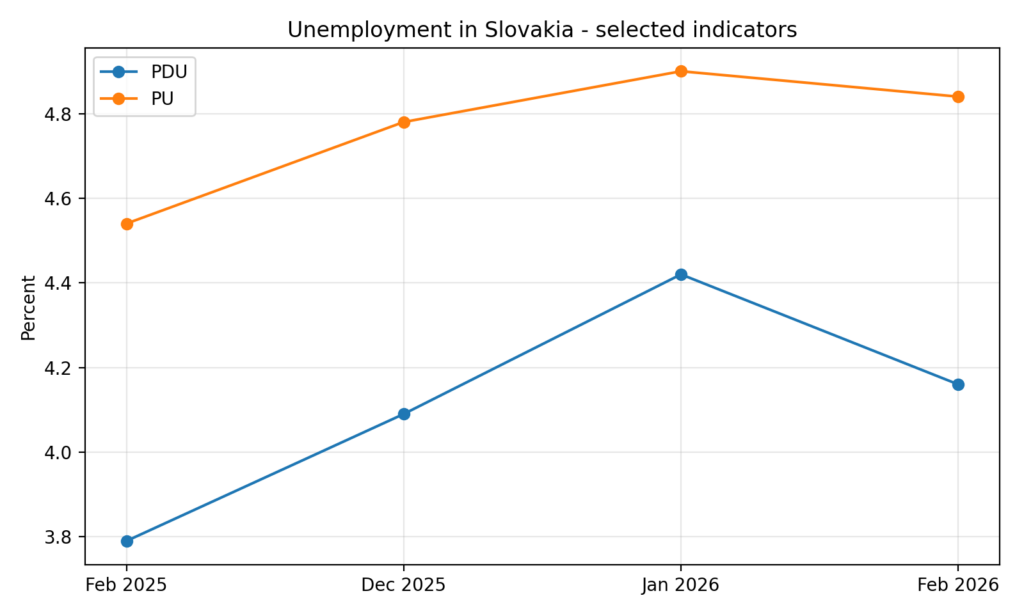
Chart 1: Trends in selected unemployment rates
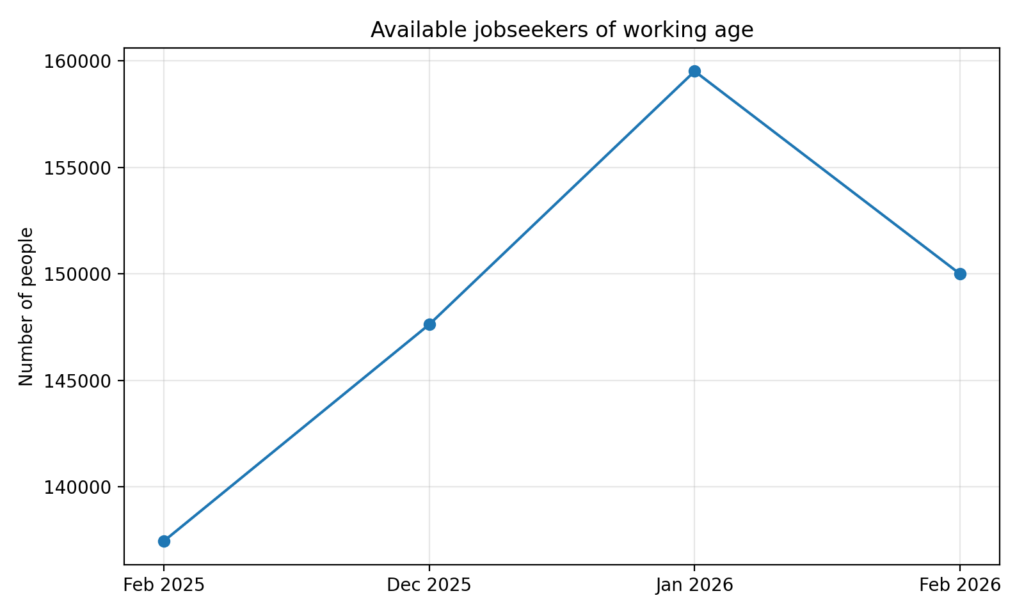
Chart 2: Trend in the number of available jobseekers of working age
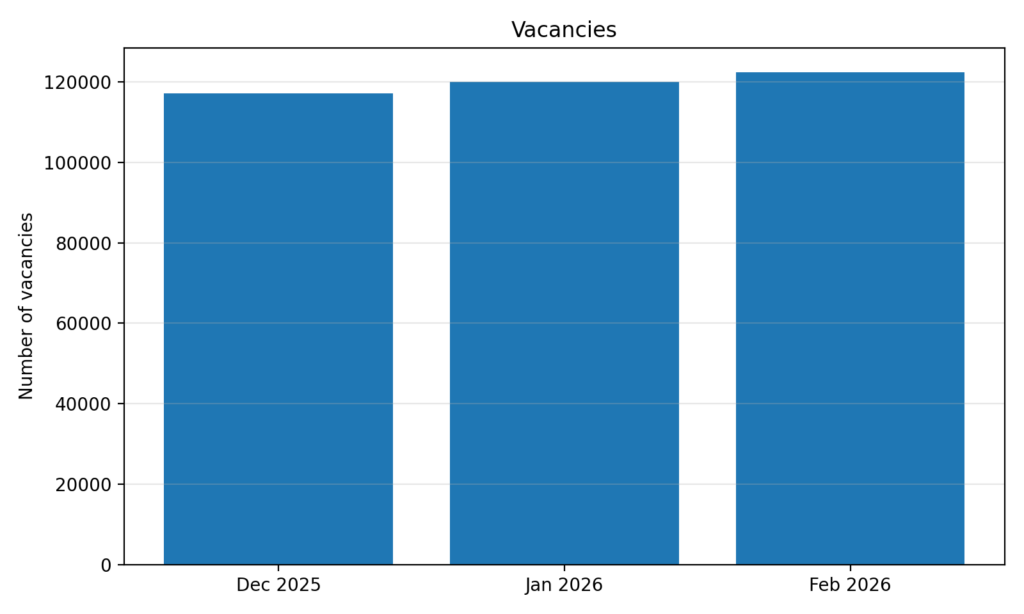
Chart 3: Trend in the number of vacancies
Demand for labour remains at a record high
The strongest message of the February data is not only the decline in registered unemployment, but above all the continued growth in the number of vacancies. In February, 122,434 vacancies were recorded. In January 2026 there were 119,997, and in December 2025 there were 117,271. The trend is therefore clearly upward.
For employers, this means pressure to attract workers remains high. In an environment of such strong demand, fast selection processes, employee referrals, candidate database management, graduate hiring, and more precise targeting of recruitment communication all become increasingly important.
Selected labour market segments
| Segment | February 2026 | Change vs January 2026 |
| Jobseekers under 29 | 39,580 | -428 |
| Jobseekers aged 50+ | 51,703 | -217 |
| Vacancies suitable for graduates | 50,407 | +887 |
Importantly, the improvement was not limited to only one type of jobseeker. The number of young people under 29 as well as the 50+ group both declined. At the same time, more than 50,000 vacancies were also suitable for graduates, which improves young people’s chances of entering the labour market.
The data also show that unemployment declined in all regions and in 72 districts in February. This suggests the improvement had a relatively broad regional base, although the intensity of the decline varied across regions.
What the February data mean for HR practice
• The first conclusion is that the Slovak labour market remains relatively resilient and, after the seasonal January fluctuation, can return quickly to stronger hiring activity.
• The second conclusion is that competition for candidates will continue. A record number of vacancies means that the most successful organisations will be those with a well-structured recruitment funnel, clear employer brand communication, and a disciplined hiring process.
• The third conclusion is that despite the very favourable February development, the year-on-year PDU level remains higher than in February 2025. The labour market is therefore sending a positive signal, but there is no reason to speak of a complete easing of pressure.
Conclusion
February 2026 was a strong month for the Slovak labour market. The main registered unemployment indicator fell to 4.16%, the number of available jobseekers decreased by more than 9,500 people, and demand for labour rose to a new all-time high.
For HR managers, recruiters and employers, the message is clear: the labour market remains active, competitive and demanding from a talent acquisition perspective. The organisations that will succeed in the coming months will be those able to respond quickly, in a targeted way, and with a well-designed recruitment process.